Score frozen at 78 or somewhere there?
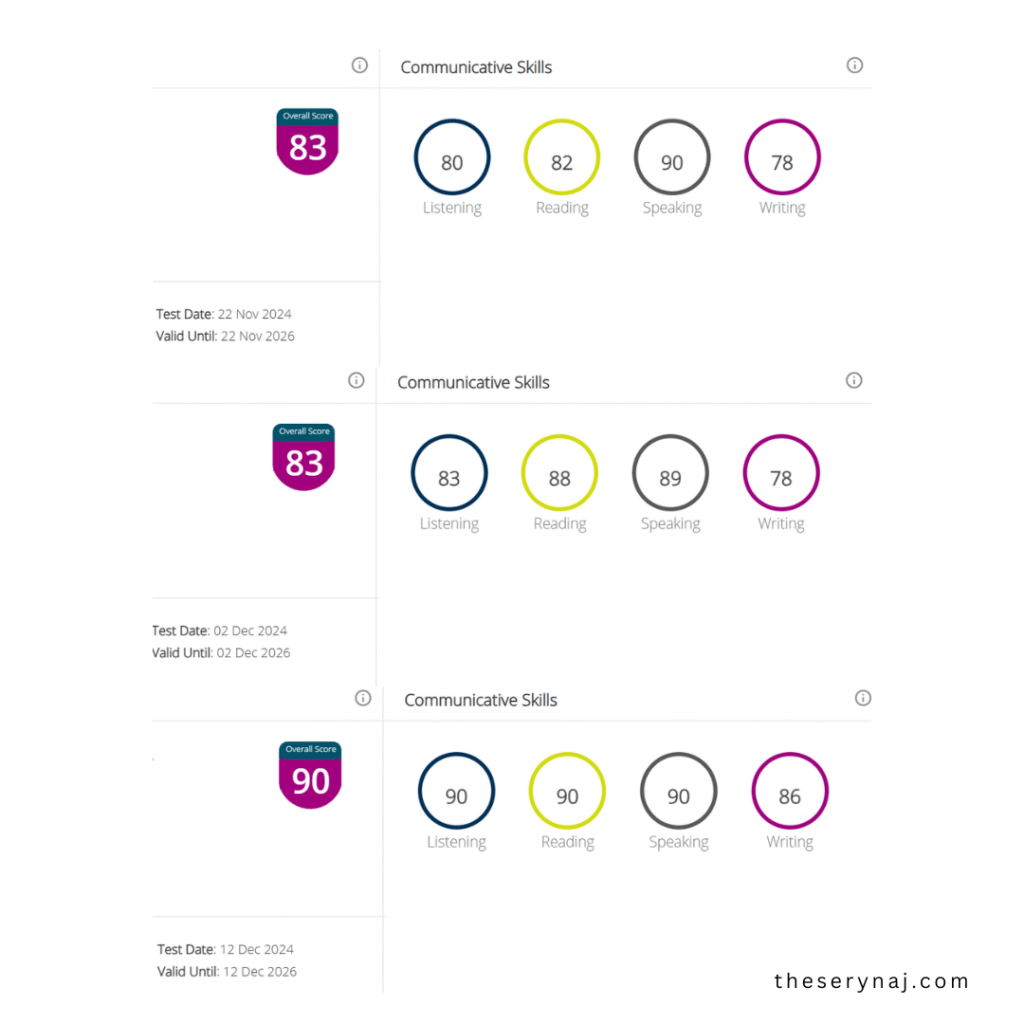
Been there. Twice. Here’s exactly how I cracked it.
If you’re aiming for skilled migration to Australia, you probably already know the magic number: 79.
That’s what you need in each component of the PTE Academic to secure 20 points for Superior English—a game-changer for visa applications like the subclass 189, 190, or 491.
I took the PTE Academic three times within a month. In both my first and second attempts, I walked out with scores above 80 for everything—except Writing. It refused to budge from 78. At first, I thought it was just bad luck. Maybe a typo. Maybe nerves. But after the second 78, I knew it wasn’t coincidence—it was a pattern. And I needed to break it.
No more guessing. No more vague “just write better” advice. I wanted to know exactly what the scoring system wanted—and I found it.
In this post, I’m giving you the exact strategy that took me from 78 to 86, no gatekeeping.
If you’ve been hovering around that 77–78 mark, trust me—it’s probably not your English. It’s how you’re structuring your answers, managing time, and responding under pressure.
I’m putting together a 60-day game plan and a 30-day last-minute strategy, and I’ll be sharing both for free.
💌 Want in? Drop your email below and I’ll send them straight to your inbox.
📌 Disclaimer
I’m not a PTE tutor, coach, or expert—and I’m definitely not here to sell you anything. I’m just someone who took the exam three times, struggled with writing twice, and finally figured out what worked. Everything I’m sharing comes purely from firsthand experience—what I tried, what failed, what clicked.
This isn’t a professional guide. It’s a personal one.
If it helps you even a little, then it’s already done its job. 💛
Here’s my golden structure.
ESSAY PROMPT :
Do you agree or disagree that childhood experiences have a significant impact on adult personality?
Intro =
- Big intro 1 sentence +
- Rewrite the question 1 sentence + follow by :
- “However, the scale or extend of xx remains debatable.” +
- What will you talk about in body one and two 1 sentence
- This essay argues that (your idea), while exploring (opposite idea).
Sample Intro
As humans, the environment we grow up in plays a critical role in shaping who we become.
The question of whether our childhood experiences leave a lasting impact on our adult personality has long been debated.
However, the scale or extent of such influence remains debatable.
This essay will explore the role of early life experiences in personality development and contrast it with the idea that individuals can change independently over time.
This essay argues that early experiences significantly shape personality, while exploring the belief that adult choices matter more.
Body 1 =
- Intro of argument or main idea 1 sentence +
- Firstly,…..
- Supporting sentence 1 sentence +
- Example 1 sentence (Use research, doesn’t matter if it doesn’t exist) +
- For instance,….
- Closing 1 sentence
- Therefore, (wrap up) ……(but if less time or too long, just skip and start writing next paragraph)
Sample Body 1
One of the strongest arguments supporting this view is that early life experiences create lasting psychological patterns. Firstly, what a child sees and feels during their formative years is stored in long-term memory and directly influences emotional and social development. Children exposed to supportive and nurturing environments are more likely to develop resilience and empathy in adulthood. For instance, a 2021 longitudinal study from the Institute of Child Psychology found that individuals raised in emotionally stable households scored higher on emotional intelligence scales as adults. Therefore, childhood experiences serve as the foundation upon which adult behaviours and personality traits are built.
Body 2 =
- Intro of argument or second idea 1 sentence +
- On the other hand,…..
- Supporting sentence 1 sentence +
- Example 1 sentence +
- For example / To illustrate / As an example,..
- Closing 1 sentence
- This highlights/demonstrates the /gave insights to/ emphasises that (what you talk about in this paragraph)
Sample Body 2
While early experiences are important, some argue that personal growth and life choices play a greater role in shaping personality. On the other hand, individuals are capable of adapting and evolving regardless of their upbringing. With education, exposure, and conscious effort, people can unlearn negative behaviours and adopt healthier mindsets. For example, many adults who faced childhood trauma have transformed their lives through therapy, education, or positive social environments. This highlights the capacity for human growth beyond early conditioning and suggests that personality is not fixed, but flexible.
Closing =
- You can even use this sentence below, directly as your conclusion :
- In conclusion, the benefits of xx outweigh the drawbacks. While it is essential to address the potential challenges, such as xx, these can be resolved through xx.
- Or use this structure:
- Recap the side you prefer & provide reason 1 sentence +
- In conclusion/ To summarise/ As a result, …..
- Emphasise the importance 1 sentence
- This is because / Therefore, ……
- Recap the side you prefer & provide reason 1 sentence +
Sample Closing
In conclusion, the influence of childhood experiences outweighs the notion that adult personality is shaped solely by later life choices. While it is essential to acknowledge that people can evolve, early life experiences lay the foundation that continues to affect behaviour, emotions, and relationships in adulthood.
or
A strong case can be made that early experiences play a more influential role in shaping who we become as adults. To summarise, while people can and do change, the imprint of childhood often lingers in subtle yet powerful ways. This is because those early years build the emotional and psychological blueprint we continue to develop from throughout life.
🔥 Bonus Tip: If You Get Global Warming as Your Essay Topic (Like I Did—Twice)
Yep, I got global warming in 2 out of my 3 attempts.
If you’re not confident about climate-related topics, I highly recommend watching these short videos from Cognito on YouTube—they saved me.
These clips are super simple, straight to the point, and packed with useful examples and vocab you can drop into your essay like a pro:
- GCSE Chemistry – Waste Water
- GCSE Chemistry – Air Pollution
- GCSE Chemistry – What is a ‘Carbon Footprint’?
- GCSE Chemistry – Global Warming & Climate Change
Even if you’re not into science, these give you the exact phrases and ideas PTE loves.
Trust me—knowing a few key terms and global solutions can seriously boost your confidence (and score) when you see this topic.
So yes, you’ll thank me for this one later. 😉
I freestyled my first two essays, thinking I’d be fine. But once I really understood what the AI was looking for—and had a long, brutally honest convo with GPT—I built a structure (the one I shared above) that finally got me to 86.
At this point, I can hands down say it: AI knows AI the best.
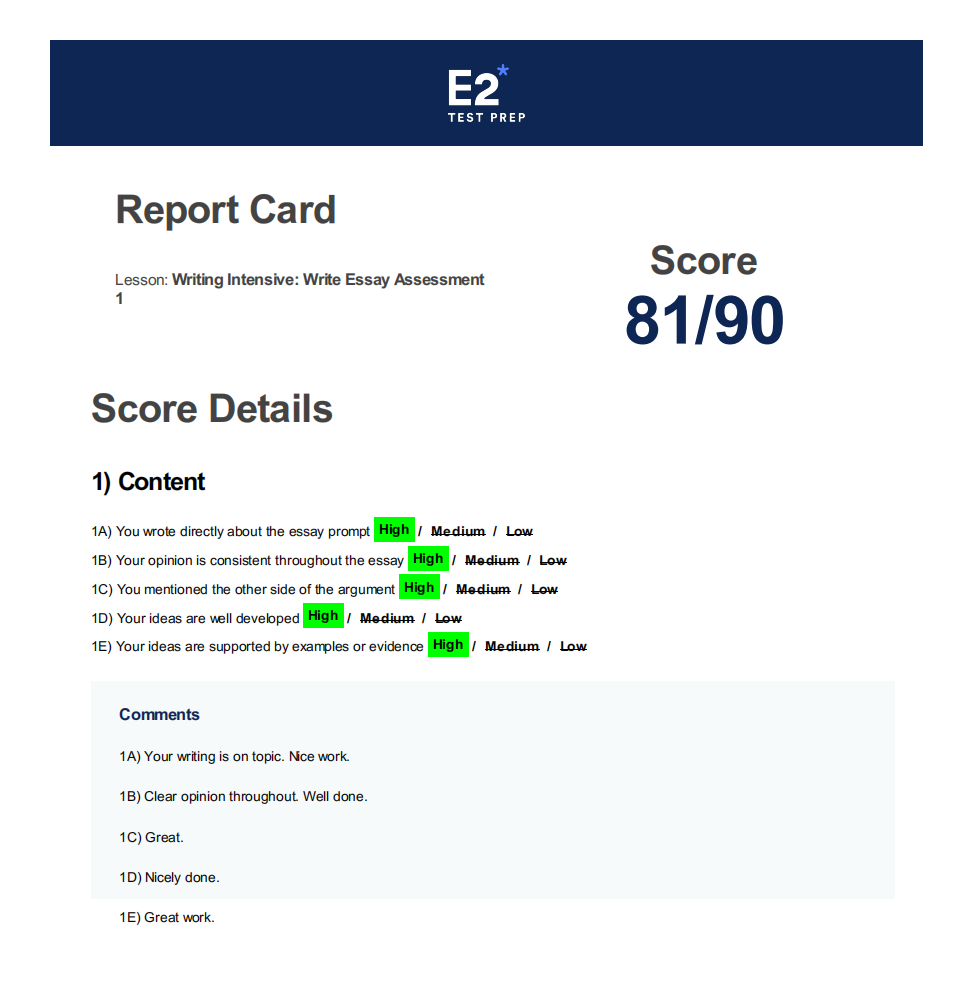
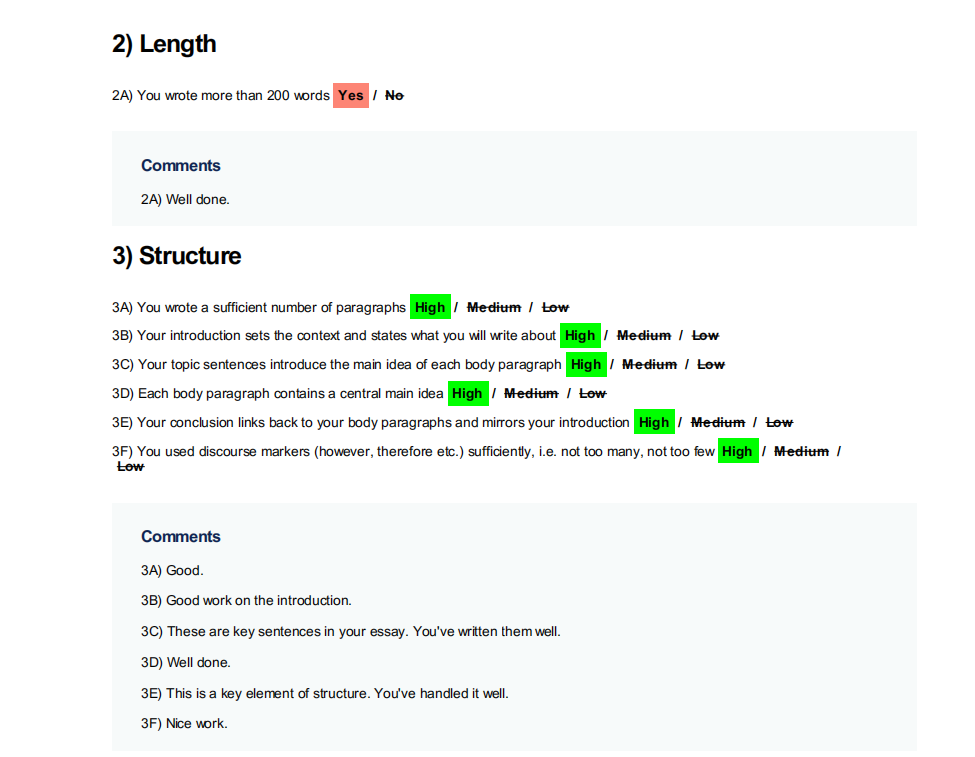
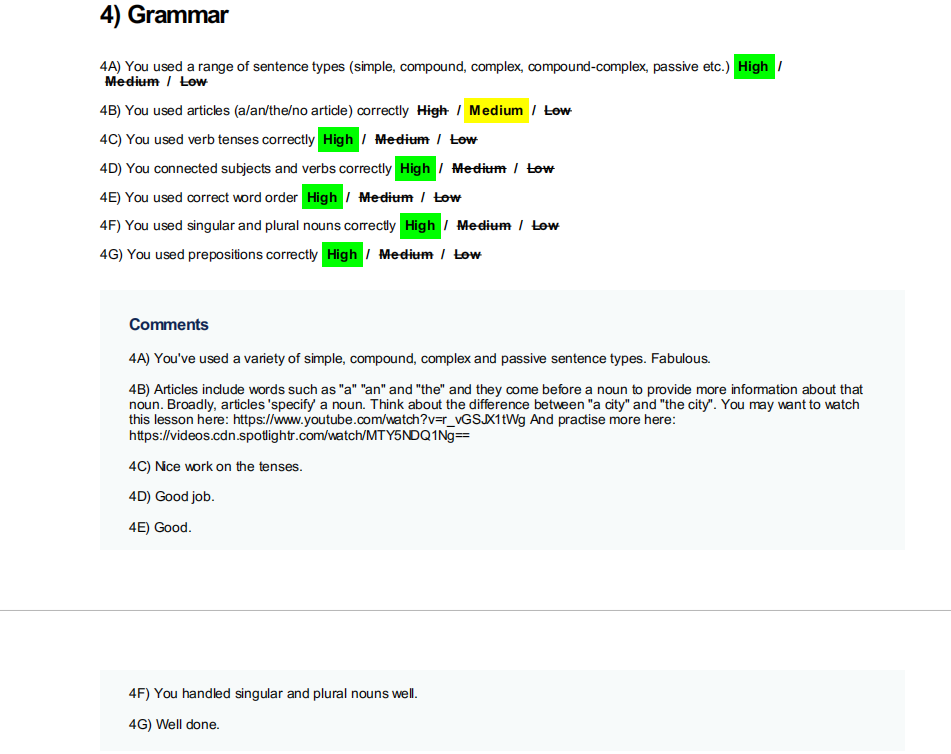
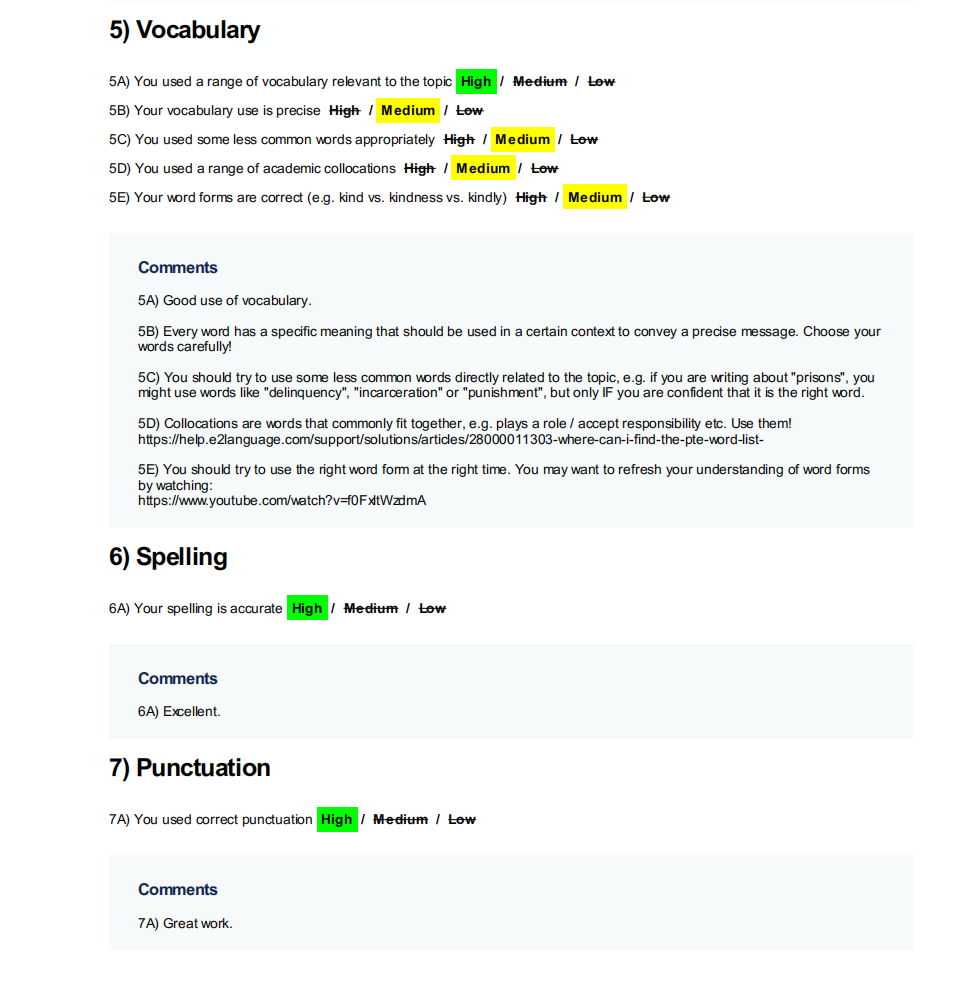
Below is a sample essay that I submitted to E2 for writing assessment and it came back with a score of 81/90. I used the AI-structure exactly as described above. To make it easier for you to follow, I’ve italicised the template parts.
As humans, our environment we were brought up in and things we have came across plays a huge role in fostering our character as we grow. However, the scale of influence on us remains debatable. This essay will argue that our childhood or adolescence environment plays a huge role in shaping our character, while exploring that it may only have a small influence on who we become.
Firstly, what a child sees and experiences will be stored as a long term memory that significantly contributes to mental and emotional development. If we compare a child who was exposed to harsh and tough environment to a child that grew up in peace and harmonious environment, we can predict how children might deal with obstacles and hurdles when they grew up.
For instance, a research in child psychology has found that children with separated or divorced parents has higher independence than the other group. Therefore, our environment which we grew up does shape our future character.
On the other hand, some may still argue by setting themselves as an example that they are who they chose to be with little or no influence from their child or teenage experiences. We as human beings are continuously learning and evolving, for instance, we might learn speech and intonations from our parents but we can alter or change our way of speech by choice when we get older and wiser. This highlights the scale of influence our environment has on our character and how it may differ at different stages of life.
In conclusion, we are exposed to different environment at every phase of our life and as intelligent animals which have the capability to adapt and evolve constantly, our past and new experiences become part of what we become.
💰 Paid Tools I Used (Nice to Have, Not a Must)
It came with 2 scored practice tests and a question bank.
But honestly? I got a speaking score of 34 on their mock test—then scored 90 in the real exam. So… yeah.
Verdict: Great for getting used to test format. Ignore the scores.

E2 Test Prep – Writing Intensive Package
I bought their 3-month Writing Intensive package. The free content on YouTube is already helpful, but I liked having access to structured practice.
Verdict: Helpful for discipline, but not game-changing unless you’re the type who needs structure.
E2 Writing Assessment (1:1 Feedback)
This one actually helped me more than the full package.
A real PTE teacher reviewed my essay and gave detailed feedback with a proper score breakdown.
Verdict: Totally worth it if you can afford just one upgrade.
Again, none of these are “magic buttons.”
If you’re disciplined and resourceful, free content + strategy is all you need to pass with flying colours.
Whether you’re chasing that 79+ for Superior English points or just trying to improve your writing score enough to meet migration requirements—this test can feel like a mental marathon.
I know how frustrating it is to miss the mark just barely, especially when your whole visa outcome depends on it. But trust me—once you stop writing for yourself and start writing for the scoring system, things start to click.
My jump from 78 to 86 wasn’t luck. It was strategy.
And if this post helps you get even one step closer to your goal, then every sleepless night I had was worth it.
You’ve got this. And if you want to go further…
💌 I’ve Got More Coming Your Way
I’m working on:
✅ A 60-day PTE writing game plan
✅ A 30-day crash strategy for last-minute test takers